Restoring Safety and Sanitation Through Professional Crime Scene Cleanup
Crime scenes are, by nature, chaotic and hazardous environments. Beyond the immediate emotional impact on those involved, these scenes present serious health and safety risks due to bloodborne pathogens, bodily fluids, and other biohazards. Proper remediation requires more than ordinary cleaning skills; it demands specialized knowledge, equipment, and protocols to ensure complete decontamination. Professional crime scene cleanup services provide the expertise necessary to restore affected areas to a safe and sanitary condition while maintaining compliance with legal and safety standards.
The aftermath of a violent event, accident, or trauma can be overwhelming for property owners, law enforcement, or property managers. Attempting to clean these scenes without training is dangerous and often ineffective. Experienced crime scene cleanup professionals address biohazardous materials, odors, and contamination with precision, minimizing risk and helping survivors regain a sense of safety and normalcy.
Understanding the Risks of Crime Scene Contamination
Crime scenes often involve exposure to blood, bodily fluids, and chemical residues that can carry pathogens such as hepatitis B, hepatitis C, HIV, and other infectious agents. In addition to these biological hazards, crime scenes may also contain dangerous chemicals, debris, or structural damage resulting from violence or trauma.
Exposure to these materials without proper protective equipment and protocols can cause serious illness. Cleaning without proper training or disinfection methods may also leave hazardous residues behind, compromising safety and violating health regulations. This is why professional crime scene cleanup is essential.
The Scope of Professional Crime Scene Cleanup
Crime scene cleanup is a comprehensive process that goes beyond surface cleaning. Professionals are trained to handle a variety of scenarios, including:
- Homicides, suicides, and assaults
- Unattended deaths and decomposition
- Accidental injuries with biohazard contamination
- Chemical spills or hazardous material incidents
The process includes assessing the scene, containing and removing biohazardous materials, disinfecting and sanitizing surfaces, and safely disposing of contaminated waste in compliance with federal and local regulations.
Safety Protocols and Equipment
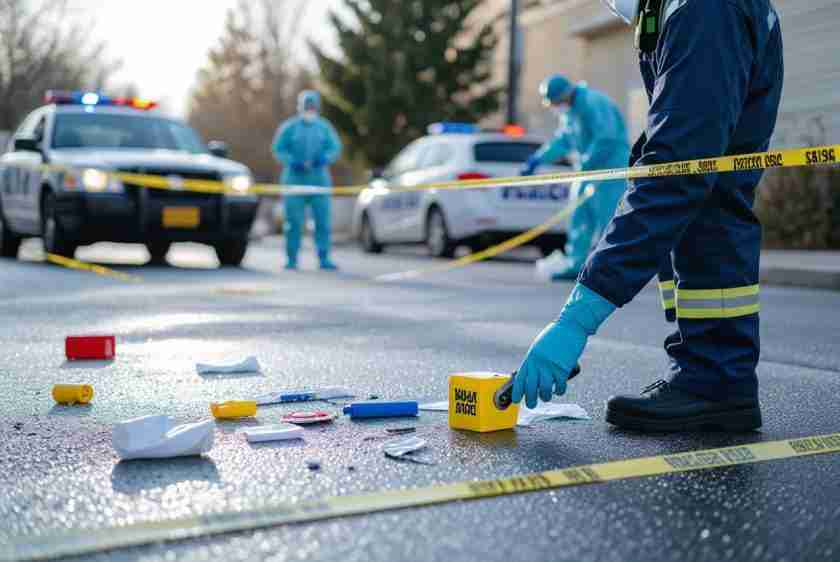
Safety is the foundation of effective crime scene remediation. Technicians wear personal protective equipment (PPE) such as gloves, suits, masks, and eye protection to prevent exposure to infectious materials. They also use specialized cleaning agents, disinfectants, and tools designed to neutralize pathogens and remove stains or odors.
Containment is another critical component. Hazards are isolated to prevent cross-contamination, and air filtration systems may be used to reduce airborne pathogens. Advanced techniques, such as ozone treatment or thermal fogging, can be applied to eliminate persistent odors and restore the environment.
Steps in Crime Scene Cleanup
The cleanup process typically follows a structured protocol to ensure thorough decontamination:
- Assessment: The scene is evaluated for biohazardous materials, structural damage, and safety risks.
- Containment: Hazardous areas are cordoned off to prevent contamination spread.
- Removal: Blood, bodily fluids, and contaminated materials are safely removed.
- Cleaning and Disinfection: Surfaces, furniture, and fixtures are scrubbed and sanitized using EPA-approved disinfectants.
- Waste Disposal: All biohazardous waste is packaged and disposed of according to legal requirements.
- Restoration: Damaged areas may be repaired or restored, and odor elimination treatments are applied to remove lingering smells.
Each step is performed with precision, ensuring the environment is safe for occupants, investigators, or property managers to re-enter.
Legal Compliance and Liability
Crime scene cleanup is subject to strict regulations from agencies such as OSHA, the EPA, and state health departments. Failure to comply with these standards can result in legal consequences, fines, or civil liability. Professional crime scene cleanup in Las Vegas companies are trained to follow these regulations meticulously, documenting procedures and ensuring proper disposal of all biohazardous materials.
This legal compliance protects property owners and cleanup personnel, providing peace of mind that the scene has been handled responsibly and safely.
Emotional Sensitivity and Professionalism
In addition to technical expertise, crime scene cleanup requires compassion and discretion. Families, employees, and community members affected by the incident may experience trauma, grief, or distress. Professionals approach their work with sensitivity, respecting the privacy of those involved while maintaining efficiency and thoroughness.
This combination of skill and empathy helps create a safer and calmer environment for those returning to the property after remediation.
Restoration and Return to Normalcy
Beyond sanitation, the goal of crime scene cleanup is to restore the property to its original condition. This may involve minor repairs, deodorization, and surface restoration. By addressing both safety and aesthetics, professional cleanup ensures that spaces can be safely reoccupied without lingering hazards or visual reminders of the incident.
Restoration also supports emotional recovery, allowing property owners, businesses, and families to resume normal activities with confidence.
Why Professional Cleanup Is Essential
Attempting to clean a crime scene without specialized training is not only unsafe but often illegal. Ordinary cleaning methods cannot effectively neutralize pathogens or remove all traces of contamination. Professional crime scene cleanup ensures:
- Complete removal of biohazards
- Compliance with local, state, and federal regulations
- Reduction of health risks for occupants and workers
- Proper disposal of contaminated materials
- Restoration of the property to a safe, usable state
By relying on experts, property owners minimize risk, avoid legal complications, and achieve a thorough, reliable cleanup that standard methods cannot provide.
The Benefits of Expert Crime Scene Remediation
Professional crime scene cleanup offers long-term benefits, including:
- Health and Safety: Reduces exposure to harmful pathogens and biohazards.
- Peace of Mind: Certified technicians ensure thorough decontamination and proper disposal.
- Efficiency: Advanced tools and protocols speed up cleanup while ensuring accuracy.
- Emotional Support: Sensitive handling of traumatic scenes helps affected individuals recover.
- Property Preservation: Cleaning and restoration prevent permanent damage and restore usability.
These benefits highlight the value of professional services for both residential and commercial properties.
Preparing for Future Safety
Once a crime scene has been remediated, ongoing vigilance and preparedness are important. Businesses may implement biohazard response plans, training, or protocols for handling emergencies. Property owners can ensure that future incidents are managed safely and efficiently by relying on professionals and following recommended safety measures.
Conclusion
Crime scene cleanup is a specialized, highly technical service that combines safety, expertise, and compassion. Handling bloodborne pathogens, hazardous materials, and emotional trauma requires trained professionals, proper equipment, and adherence to strict regulations. By engaging certified experts in crime scene cleanup, property owners, law enforcement, and managers can ensure that contaminated areas are fully sanitized, restored, and safe for re-entry.
Professional remediation protects health, reduces liability, and restores environments to a safe, functional state while respecting the sensitive nature of the situation. In the aftermath of trauma or violence, expert cleanup is not just a service, it is an essential step toward safety, recovery, and restoring normalcy.