Gutter Systems: A Detailed Guide to Protecting Buildings From Water Damage
Water is one of the most powerful natural forces affecting buildings. When properly managed, it supports landscaping, drainage, and environmental balance. When ignored or poorly controlled, however, it can become a destructive element that compromises foundations, walls, and structural integrity. One of the most effective ways to manage rainwater around a building is through carefully designed roof drainage solutions. Among these solutions, gutter systems play a critical role in preserving both function and appearance over time.
Understanding how these systems work, how they are designed, and how they should be maintained allows property owners to protect their investment while reducing long-term repair costs. Though often overlooked, a well-planned drainage setup can significantly extend the lifespan of a structure.
The Role of Roof Drainage in Structural Protection
Every building with a sloped roof must deal with rainwater runoff. As rain hits the roof surface, it flows downward at varying speeds depending on roof pitch, surface material, and weather intensity. Without a controlled method to collect and redirect this water, runoff can spill directly onto walls, windows, and the ground near the foundation.
Over time, repeated exposure to uncontrolled water can cause erosion around the base of the structure, weaken foundation materials, and allow moisture to seep into basements or crawl spaces. Interior damage, mold growth, and wood rot often follow. A properly designed drainage system prevents these outcomes by capturing water at the roof edge and guiding it away safely and efficiently.
Core Components and How They Work Together
A complete drainage setup consists of several interconnected parts, each with a specific function. Horizontal channels run along the roof edge, collecting water as it flows downward. Vertical pipes then carry the water toward ground-level discharge points. Brackets and fasteners hold everything in place, ensuring proper alignment and slope.
The effectiveness of the system depends on how well these components work together. Improper spacing, incorrect angles, or poor attachment can disrupt water flow and lead to overflow. Precision in design and installation ensures that water moves smoothly through the system even during heavy rainfall.
Material Options and Their Advantages
Choosing the right material is one of the most important decisions in drainage planning. Aluminum is widely used due to its lightweight nature, resistance to corrosion, and cost-effectiveness. It performs well in many environments and can be formed into seamless lengths that reduce the risk of leaks.
Steel options provide increased strength and durability, making them suitable for areas exposed to extreme weather conditions. Copper offers exceptional longevity and a distinctive appearance that evolves over time. Though more expensive initially, it often requires minimal maintenance and can last for decades. Vinyl alternatives are easy to install and budget-friendly, though they may be less durable under temperature extremes.
Selecting the appropriate material involves balancing durability, appearance, maintenance expectations, and budget constraints.
Design Styles and Visual Integration
Drainage channels are not purely functional; they also contribute to a building’s overall appearance. Rounded profiles are known for their efficiency in handling large volumes of water, while angular designs offer a more modern and structured look. Both styles can be effective when properly sized and installed.
Color matching and finish selection help integrate drainage components into the building’s exterior. When chosen thoughtfully, these elements enhance curb appeal rather than detract from it. Modern designs allow function and aesthetics to coexist without compromise.
Installation Principles That Ensure Performance
Even the highest-quality materials will fail if installed incorrectly. Proper slope is essential to encourage water flow toward downspouts. Channels that are too level can cause standing water, while excessive slope may lead to uneven distribution and overflow.
Fastening methods must be strong enough to support the weight of water, debris, and seasonal weather conditions. Downspout placement should direct water away from the foundation, often with extensions or underground drainage solutions to prevent soil saturation near the building.
Professional installation often provides the most reliable results, as experienced installers understand how to adapt designs to roof size, pitch, and environmental demands.
Maintenance Practices for Long-Term Reliability
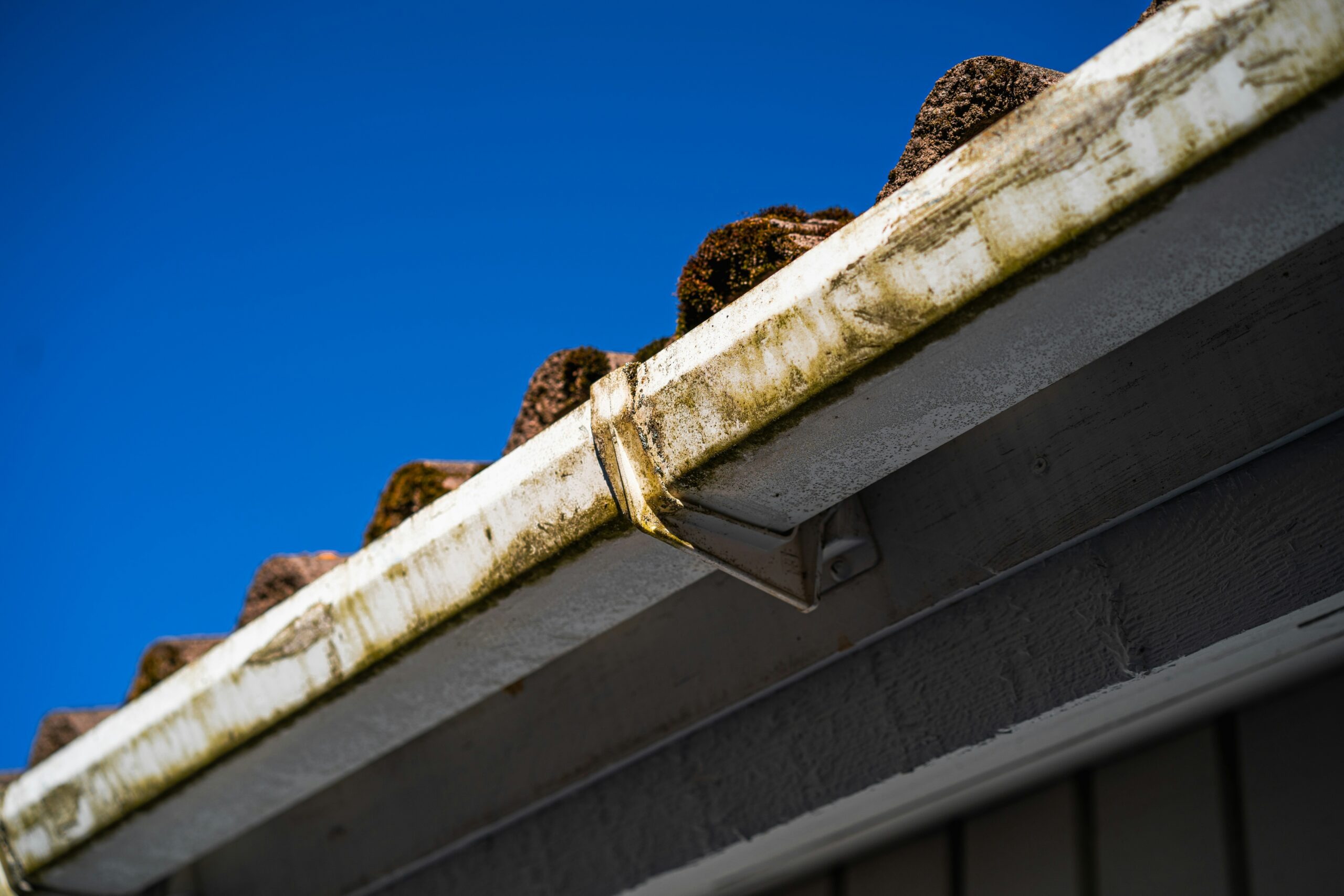
Routine maintenance is essential to ensure long-term performance. Leaves, dirt, and debris can accumulate inside channels, blocking water flow and causing overflow. Seasonal cleaning, especially after periods of heavy foliage, helps prevent clogs and damage.
Inspections should include checking for loose fasteners, corrosion, cracks, or separation at joints. Addressing small issues early prevents them from developing into costly repairs. With proper care, well-maintained gutter systems can remain effective for many years.
Protective covers and screens can reduce debris buildup, though they are not maintenance-free. Regular monitoring ensures they continue to function as intended.
Environmental Benefits and Water Management Efficiency
Modern water management strategies increasingly emphasize sustainability. Redirecting rainwater into collection systems allows it to be reused for irrigation or cleaning purposes. This reduces water waste and supports environmentally responsible practices.
Proper drainage also protects surrounding soil and landscaping from erosion. When water is dispersed evenly and directed away from vulnerable areas, plants and soil structures remain healthier. These benefits demonstrate that effective water control supports both structural integrity and environmental balance.
Common Issues and How to Prevent Them
Many drainage-related problems stem from improper sizing or neglect. Systems that are too small for the roof surface may overflow during heavy rainfall. Inadequate support spacing can lead to sagging, which disrupts water flow and increases stress on fasteners.
Another frequent issue is poor water discharge planning. Water released too close to the foundation can undermine structural stability over time. Extending discharge points farther away or integrating underground drainage solutions helps prevent this problem.
Routine inspection and timely repairs are the most effective ways to avoid these common issues and maintain consistent performance.
Impact on Property Value and Building Longevity
Though often unnoticed, effective drainage plays a major role in preserving a building’s value. Buyers and inspectors recognize the importance of proper water management, and well-maintained systems signal responsible ownership.
Visible signs of water damage, such as stained walls or eroded landscaping, can reduce property appeal and raise concerns about hidden issues. In contrast, clean and properly aligned drainage components enhance overall appearance and reinforce confidence in the building’s condition. Investing in reliable gutter systems supports both immediate protection and long-term value.
Innovations and Advancements in Drainage Design
Advancements in materials and technology continue to improve drainage performance. Improved coatings increase resistance to corrosion and fading, while modular components simplify installation and replacement. Seamless manufacturing techniques reduce leak potential and improve durability.
Some modern systems incorporate monitoring features that detect blockages or abnormal water flow, allowing issues to be addressed before damage occurs. These innovations reflect growing awareness of the importance of proactive water management in building design.
Choosing the Right Solution for Lasting Results
Selecting the right drainage solution requires careful consideration of roof size, environmental conditions, and architectural style. Consulting experienced professionals can help identify the most effective configuration for specific needs.
A thoughtful approach ensures that the chosen system performs reliably under various conditions while complementing the building’s design. When planned and maintained correctly, gutter systems serve as a quiet but powerful defense against water-related damage.
Conclusion
Water management is a foundational aspect of building preservation, and effective roof drainage is central to that effort. By understanding materials, design principles, installation practices, and maintenance requirements, property owners can make informed decisions that protect their structures for decades.
Though often overlooked, dependable gutter systems in Westchester County, NY play an essential role in safeguarding foundations, walls, and landscapes from water damage. Investing time and care into their selection and upkeep is not merely a maintenance task but a strategic decision that ensures durability, stability, and peace of mind over the long term.