The Mobile Advantage Why Experiential Vehicles Are Rewriting the Media Playbook
In today’s crowded media landscape, grabbing attention online is harder than ever. Feeds are noisy, algorithms change constantly, and audiences scroll past content faster than ever. Experiential marketing offers a solution, but mobile experiences are rewriting the rules entirely. Marketing vehicles from branded Airstreams to pop-up motorcycles allow brands to show up in real life, create excitement, and leave lasting impressions that static ads cannot achieve.
Why Mobile Experiences Outperform Static Campaigns
Traditional pop-ups or brick-and-mortar activations can deliver great exposure, but they are limited by location and timing. A marketing vehicle can reach multiple neighborhoods, festivals, campuses, or events in a single campaign. That mobility creates flexibility, surprise, and relevance – qualities that audiences notice immediately.
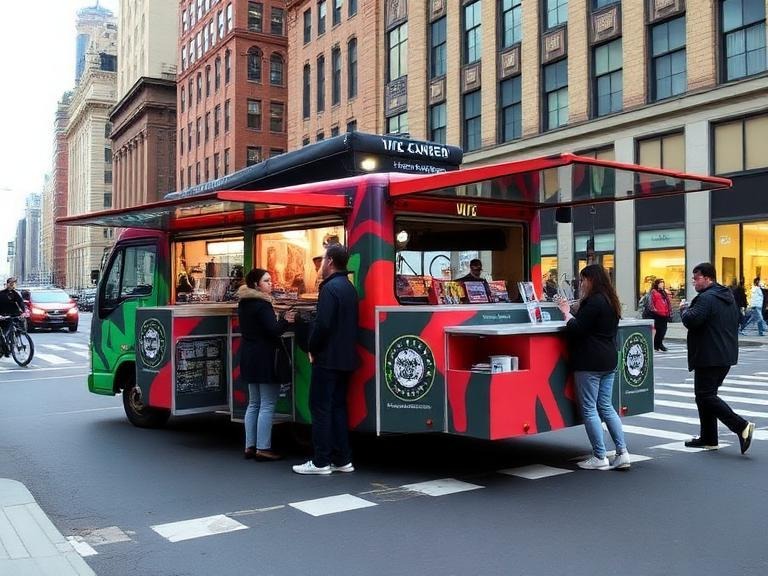
People respond differently to live, physical experiences than they do to online impressions. A visually striking glass-walled truck, for example, invites curiosity, encourages engagement, and generates shareable social content.
Pop-up motorcycles with sampling sidecars or Airstream trailers hosting interactive demos transform ordinary streets into brand experiences. These vehicles are not just transportation – they are stages, showrooms, and content engines that bring your brand directly to the audience.
Sensory Engagement Builds Memory
Experiential vehicles engage multiple senses at once. Sight, sound, taste, touch, and even scent all work together to create rich, memorable experiences. When audiences sample a product, touch branded materials, or interact with staff in a visually compelling environment, the memory is stronger and more durable than any ad they scroll past. This multi-sensory engagement drives not only recall but also emotional attachment, increasing the likelihood of loyalty and advocacy.
Content Creation That Extends Reach
One of the greatest advantages of experiential vehicles is that they generate content naturally. People photograph, film, and share experiences in real time. A campaign that uses a mobile activation can extend far beyond physical reach, amplifying social presence organically. Every stop becomes a new opportunity for media coverage, influencer collaboration, and user-generated content, turning a single vehicle into a dynamic marketing channel.
Strategic Flexibility on the Road
Planning is critical for mobile activations. Success comes from selecting the right routes, timing, and touchpoints. High-traffic areas like campuses, cultural events, or business districts provide natural foot traffic. Mobile campaigns also allow brands to test concepts, gather feedback, and optimize messaging in real time. Unlike traditional advertising, which is fixed once published, marketing vehicles offer the ability to pivot, refine, and scale in ways that static campaigns cannot.
ROI Beyond Impressions
Experiential vehicles provide measurable results that go beyond reach. Foot traffic, dwell time, social sharing, and direct conversions offer tangible insights into campaign effectiveness. The emotional engagement generated by mobile experiences is a form of return on experience, creating long-term value that traditional media cannot deliver. Even small fleets or single vehicles can create disproportionate impact when campaigns are designed strategically.
The Future of Brand Storytelling
Brands that embrace mobile experiential marketing are gaining an edge. Marketing vehicles combine presence, creativity, and strategy to deliver moments that people remember, talk about, and share. In an age where attention is fragmented and digital fatigue is widespread, being able to meet audiences in the real world is more important than ever.
Experiential vehicles are more than a marketing tactic – they are a platform for storytelling, content generation, and lasting brand impact. The brands that succeed in 2026 and beyond will be the ones willing to show up in unexpected ways, take their message on the road, and turn everyday streets into stages for meaningful engagement.
Disclaimer
This article is intended for informational and educational purposes only. The views and opinions expressed are based on general industry trends and experiential marketing practices and do not constitute professional marketing, financial, or legal advice. Results from experiential or mobile marketing campaigns may vary depending on factors such as location, audience, execution, and market conditions. Any examples mentioned are illustrative and do not imply endorsement, affiliation, or guaranteed outcomes. Readers should conduct their own research and consult with qualified professionals before implementing any marketing strategies discussed in this article.