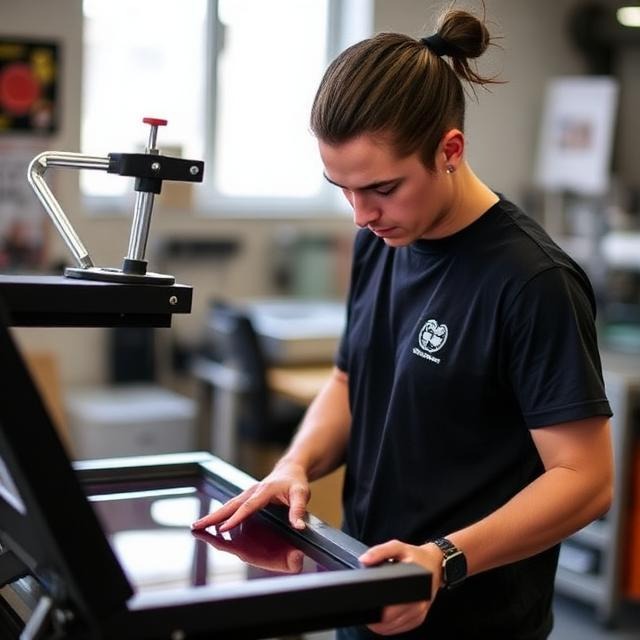
Top Screen Printing Trends in 2026 What’s Hot for Apparel & Merchandising
The apparel and merchandising industry continues to evolve at breakneck speed, and screen printing remains at the forefront of this creative revolution. As we navigate through 2026, several exciting trends are reshaping how brands, designers, and businesses approach custom apparel production. Whether you’re a fashion entrepreneur, corporate buyer, or creative professional, understanding these trends will help you stay ahead of the curve.
Sustainability Takes Center Stage
Environmental consciousness has moved from nice-to-have to non-negotiable. Today’s consumers, particularly in environmentally aware markets like Singapore, demand transparency about production methods and materials. Silkscreen printing businesses are responding by adopting water-based and eco-friendly inks that eliminate harmful chemicals without compromising vibrant colors or durability.
Organic cotton, recycled polyester, and bamboo fabrics have become standard options rather than premium alternatives. Brands that highlight their sustainable printing practices gain significant competitive advantages, appealing to conscious consumers who align purchasing decisions with personal values.
Maximalist Designs Make a Bold Comeback
After years of minimalist aesthetics dominating fashion, maximalism has exploded onto the scene. Intricate patterns, oversized graphics, and all-over prints are capturing attention across streetwear, corporate merchandise, and event apparel. This trend celebrates boldness and self-expression, allowing brands to create statement pieces that demand attention.
Multi-color designs showcase the technical capabilities of modern printing technology while giving creative teams freedom to experiment with complex artwork. Expect to see more gradient effects, layered textures, and photorealistic imagery that pushes the boundaries of what’s possible on fabric.
Nostalgic Retro Aesthetics
The 1990s and early 2000s continue influencing contemporary design sensibilities. Vintage-inspired graphics, distressed finishes, and throwback typography resonate particularly well with millennials and Gen Z consumers who appreciate nostalgic references blended with modern sensibilities.
Screen printing techniques excel at creating that authentic vintage look—think faded colors, cracked textures, and weathered aesthetics that feel genuinely lived-in. Brands leveraging this trend create merchandise that feels timeless rather than trendy, encouraging longer product lifecycles and repeated wear.
Personalization and Limited Editions
Mass-produced generic merchandise no longer excites consumers. Instead, people crave unique, personalized items that reflect individual identities or exclusive community membership. Limited edition drops, numbered series, and customizable design elements create urgency while making customers feel special.
Advanced printing technologies now allow economical small-batch production without sacrificing quality. Businesses can test designs with limited runs, gather feedback, and refine offerings before committing to larger inventories. This agile approach reduces waste while keeping product lines fresh and exciting.
Tactile and Dimensional Effects
Flat prints are giving way to dimensional techniques that engage multiple senses. High-density printing creates raised, tactile surfaces that add depth and premium feel to designs. Puff inks, metallic finishes, and specialty additives transform ordinary garments into eye-catching statement pieces.
These textural elements photograph exceptionally well on social media, driving organic engagement as customers share their purchases online. For brands building Instagram-worthy merchandise, dimensional effects provide that “wow factor” that encourages user-generated content.
Tech-Integrated Smart Apparel
While still emerging, smart apparel incorporating QR codes, NFC chips, or augmented reality triggers represents the cutting edge of merchandising. Silkscreen printing can incorporate these technologies seamlessly, creating garments that bridge physical and digital experiences.
Imagine event shirts that unlock exclusive video content, loyalty program integration, or interactive brand experiences through smartphone apps. Forward-thinking businesses are exploring these possibilities to deepen customer engagement beyond the initial purchase.
Local Cultural Storytelling
Singapore’s multicultural heritage offers rich inspiration for distinctive designs. Brands that authentically celebrate local culture, language, and artistic traditions create deeper emotional connections with regional audiences. Peranakan patterns, traditional motifs reimagined through contemporary lenses, and local slang integrated into designs resonate powerfully.
This trend extends beyond Singapore to global consumers seeking authentic cultural narratives rather than generic mass-market designs. Apparel becomes a conversation starter, wearing your story literally on your sleeve.
The Bottom Line
Success in 2026’s competitive apparel market requires balancing technical innovation with authentic creative expression. By embracing sustainability, experimenting with bold aesthetics, and leveraging advanced screen printing capabilities, brands can create merchandise that customers genuinely love wearing. The future of printed apparel isn’t just about putting logos on shirts—it’s about crafting meaningful experiences that connect, inspire, and endure.
Disclaimer
The information provided in this article, “Top Screen Printing Trends in 2026 – What’s Hot for Apparel & Merchandising,” is intended for general informational and educational purposes only. While every effort has been made to ensure accuracy and relevance at the time of writing, industry trends, technologies, and consumer preferences may change over time. This content should not be considered professional, legal, financial, or business advice. Readers are encouraged to conduct their own research and consult with industry professionals before making business or production decisions based on the information presented. The author and publisher assume no responsibility for outcomes resulting from the use of this information.