A Guide to Implementing Solar Power Solutions Effectively
Transitioning to renewable energy is no longer an optional step; it has become a strategic move for businesses, organizations, and communities looking to cut energy costs, enhance resilience, and reduce carbon emissions. Among the many renewable technologies available today, adopting a well-planned solar power solution has emerged as one of the most efficient ways to generate clean energy consistently. When solar systems are designed and deployed properly, they can deliver long-term reliability, predictable energy output, and remarkable financial savings.
However, implementing solar systems effectively requires more than simply installing panels. It demands careful planning, a strong understanding of energy needs, and choosing technologies that align with your operational goals. Modern innovations such as modular solar systems, battery-integrated platforms, and scalable energy units have completely transformed how organizations use and manage solar energy. One such advancement is the solar container, a smart and compact system that simplifies large-scale solar deployment while maximizing energy production.
This guide breaks down the essential steps to implementing solar power efficiently, offering practical insights that help decision-makers adopt renewable energy confidently and effectively.
Understanding Your Energy Requirements
Before choosing any renewable system, it’s crucial to evaluate your energy consumption patterns. Many organizations make the mistake of installing solar units without understanding their peak load, daily usage, and seasonal variations. A structured assessment often conducted through a professional energy audit helps identify the ideal system capacity and storage requirements.
Reviewing consumption data also clarifies which loads are essential and which can be shifted or managed differently. As a result, you are better equipped to choose solar solutions that align with real-world operations instead of estimations. This ensures the system performs optimally throughout the year, even under fluctuating conditions.
Choosing the Right Solar Technology
Solar technology has advanced significantly, giving users multiple options tailored to different environments. While rooftop solar remains popular, many industries are turning toward modular systems such as solar containers, portable solar trailers, and integrated PV-battery platforms. These units are engineered for heavy-duty applications and can be deployed quickly without traditional construction work.
Furthermore, modern systems incorporate high-efficiency photovoltaic panels, smart tracking systems, and energy-dense battery units to ensure consistent energy output. When selecting a solar platform, factors such as sunlight exposure, grid availability, operational needs, and local climate conditions must be considered. Choosing robust, field-ready systems not only improves long-term reliability but also reduces maintenance requirements significantly.
The Benefits of Modular Solar Solutions
Modular solar units, like the container-based platforms offered by The Solar Container, are rapidly becoming the preferred choice for businesses and governments. Unlike fixed installations, these systems are fully pre-engineered, transportable, and capable of delivering utility-level performance almost anywhere.
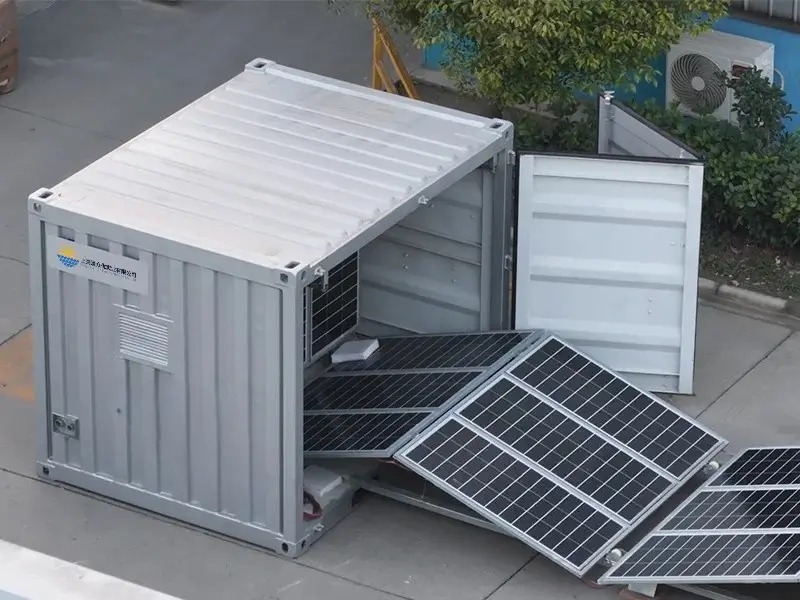
A solar powered refrigerated container in container form provides an all-in-one structure that houses panels, inverters, mounting systems, and storage batteries inside a secure unit. This reduces installation time dramatically while ensuring a controlled environment for the equipment. These systems are ideal for remote construction sites, industrial operations, off-grid communities, military bases, and emergency response scenarios.
Additionally, modular systems can scale as needed. Organizations can start with one unit and expand energy capacity simply by adding additional containers, without redesigning the entire infrastructure.
Why Power Containers Are Transforming Solar Deployment
A modern power container is far more than a storage unit it is a complete energy ecosystem. Solutions such as the LZY-MSC1 Sliding Mobile Solar Container integrate robust solar arrays with long-life batteries, power conversion equipment, and intelligent monitoring systems. This creates a plug-and-play renewable energy station that performs reliably in demanding environments.
These systems are designed with mobility in) mind, allowing them to be relocated, expanded, or reconfigured based on evolving project needs. This level of flexibility is especially valuable for mining sites, humanitarian camps, telecom towers, and large-scale industrial operations that require consistent energy in areas lacking traditional infrastructure.
By combining portability with high power output, power containers simplify solar adoption for both temporary and permanent applications.
Integration With Energy Storage
Energy storage is one of the most critical components of an effective solar system. Without a reliable storage unit, excess solar energy goes unused, and essential loads remain vulnerable during nighttime hours or cloudy days. Today’s energy storage solutions utilize advanced lithium battery technologies with long cycle life, high charge efficiency, and enhanced safety features.
Containerized systems simplify storage integration by housing batteries within a temperature-controlled space. This ensures performance stability while also protecting sensitive components from environmental degradation. Equipped with smart battery management systems, modern solar containers distribute loads intelligently, preserve battery health, and guarantee reliable energy delivery under varying conditions.
Understanding System Placement and Site Conditions
Although solar technology is flexible, site conditions play a major role in overall performance. Shaded areas, poor soil conditions, and obstacles can reduce panel efficiency. Conducting a site assessment helps determine the best positioning for panels, optimal tilt angle, and geographical orientation.
Solar containers offer the added benefit of adjustable configurations, allowing panels to be deployed with precision regardless of the environment. Their engineered mounting structures ensure maximum sunlight exposure while withstanding extreme weather.
When site conditions are analyzed thoroughly, organizations avoid performance loss and achieve higher energy yields year-round.
Smart Monitoring and System Management
Modern solar systems are equipped with monitoring platforms that provide real-time insights into production, consumption, and battery health. These dashboards allow facility managers to track performance, troubleshoot issues, and optimize usage. With remote monitoring, decision-makers can evaluate energy trends, detect inefficiencies, and adjust loads to extend system life.
This level of control ensures energy reliability, prevents downtime, and maximizes return on investment. For organizations relying on mission-critical operations, effective monitoring is indispensable.
Financial Advantages and Long-Term ROI
Solar energy is one of the most cost-effective investments available today. Despite upfront costs, the long-term savings greatly outweigh the initial expense. Businesses that adopt solar benefit from:
- Reduced utility bills
- Lower fuel dependency
- Minimal maintenance costs
- Predictable energy expenses
- Government incentives and tax credits
Containerized solar systems deliver an even stronger financial advantage because of their rapid installation, modularity, and low operational costs. Their durable structure and long equipment lifespan ensure consistent returns for many years.
Building a Sustainable and Resilient Energy Strategy
Implementing solar is not only a financial decision it is an environmental and operational one. Solar systems reduce reliance on fossil fuels, eliminate generator noise and emissions, and support global sustainability goals. Moreover, during grid outages or emergencies, solar containers ensure operational continuity.
By integrating solar into long-term energy planning, organizations enhance their resilience and reduce their environmental footprint, making their operations more future-ready and globally aligned with clean-energy targets.
FAQs
What is the advantage of using a container-based solar system?
Containerized systems are pre-built, portable, and quick to deploy, allowing organizations to access reliable solar power without complex construction.
Are solar containers suitable for off-grid locations?
Yes, they are ideal for remote areas where traditional infrastructure is unavailable, offering reliable and consistent energy.
How long do these solar solutions typically last?
With proper maintenance, solar panels can last 25+ years, and modern lithium batteries generally offer 8–12 years of reliable performance.
Can solar containers be expanded later?
Absolutely. Solar containers are designed to scale easily by adding new units to increase total energy capacity.
What industries benefit most from containerized solar power?
Mining, construction, telecommunications, agriculture, humanitarian operations, and military bases commonly use them.
Do these systems require frequent maintenance?
Maintenance needs are minimal thanks to integrated components and sheltered housing within the container structure.
How does energy storage improve system efficiency?
Storage ensures round-the-clock power availability and protects critical loads during low sunlight conditions.
Are solar containers cost-effective?
Yes, they offer a strong ROI by reducing fuel costs, minimizing maintenance, and providing long-term, clean energy.
Conclusion:
Implementing solar power solutions effectively is not just a smart financial decision it is a long-term investment in energy independence, sustainability, and operational efficiency. With the rapid advancements in solar engineering, businesses and individuals now have access to highly reliable, scalable, and portable systems that can support a wide range of power needs. Modern innovations such as the power container and other modular solar technologies make off-grid and hybrid energy setups easier than ever to deploy, manage, and maintain.