How Aircraft Design Can Influence Your Flying
Flying is one of the most remarkable human achievements, but for passengers and pilots alike, the experience of flight is shaped by more than just the destination. The design of an aircraft plays a crucial role in determining comfort, efficiency, safety, and even the way turbulence is felt. From the shape of the wings to the layout of the cabin, every design choice influences the flying experience in subtle and significant ways. Understanding how aircraft design impacts flight can help travelers appreciate the engineering marvels behind modern aviation and give pilots insight into how their aircraft performs in the skies.
The Role of Aerodynamics
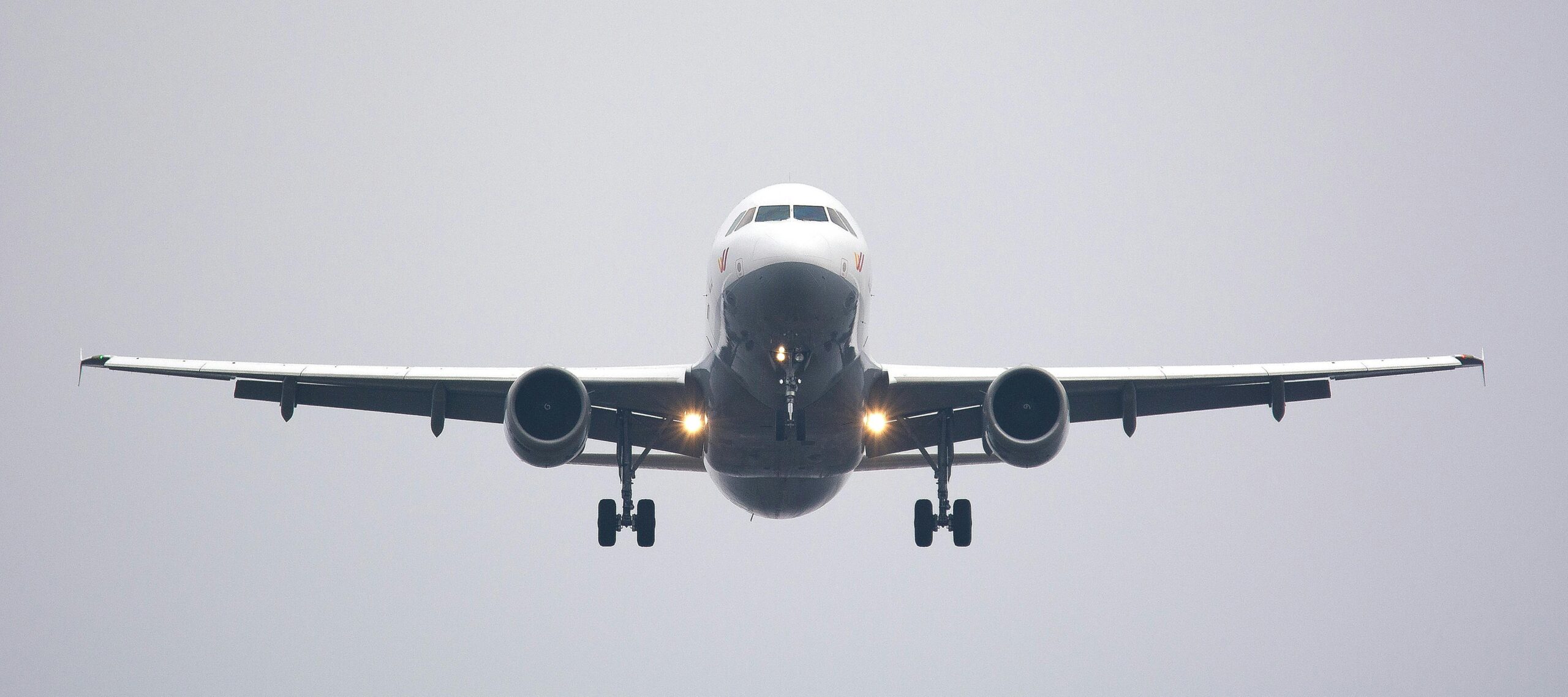
Aerodynamics is at the heart of aircraft design. The way an aircraft moves through the air depends on the shape of its wings, fuselage, and tail. For example, wings with a larger surface area provide more lift, which can make takeoff smoother and allow for heavier loads. Conversely, sleek, narrow wings are designed for speed and efficiency, reducing drag and fuel consumption. The angle of the wings, known as wing sweep, also affects stability and performance at different speeds. These aerodynamic choices directly influence how passengers experience flight, from smoother ascents to reduced turbulence during cruising.
Cabin Layout and Passenger Comfort
Beyond the mechanics of flight, aircraft design also affects the passenger experience inside the cabin. The width of the fuselage determines how many seats can fit across each row, influencing comfort and space. Larger aircraft often feature wider aisles and more legroom, while smaller planes may feel more cramped. The placement of windows, lighting systems, and ventilation also contribute to how passengers perceive their journey. Noise reduction technologies, such as insulated panels and engine placement, are design features that make flights quieter and more pleasant. These interior design elements demonstrate how engineering decisions extend beyond performance to enhance the human experience of flying.
Materials and Efficiency
The materials used in aircraft construction significantly impact both performance and passenger experience. Modern aircraft often incorporate lightweight composites, such as carbon fiber, which reduce overall weight while maintaining strength. Lighter aircraft consume less fuel, making flights more efficient and environmentally friendly. These materials also allow for innovative designs, such as larger windows or more flexible cabin layouts, without compromising safety. The choice of materials influences everything from ticket prices to environmental sustainability, showing how design decisions ripple outward to affect the broader aviation industry.
Safety Features in Design
Safety is a primary consideration in aircraft design, and many features are built specifically to protect passengers and crew. Reinforced cockpit doors, advanced avionics systems, and redundant controls are examples of design elements that enhance safety. Wing design also plays a role, with certain configurations improving stability during turbulence or emergency maneuvers. Even the placement of exits and the design of evacuation slides are carefully engineered to ensure passengers can leave the aircraft quickly in case of emergency. These safety-focused design choices provide peace of mind and contribute to the trust passengers place in modern aviation.
Innovation and Industry Influence
Aircraft design is constantly evolving, driven by innovation and industry collaboration. Companies specializing in engineering and supply play a vital role in shaping the future of aviation. For instance, Aviation Design and Supply contributes to advancements in materials, aerodynamics, and cabin technologies that directly influence how aircraft are built and experienced. Their work ensures that new aircraft models are not only more efficient but also more comfortable and safer for passengers. This ongoing innovation highlights the interconnected nature of design, supply, and the flying experience, showing how industry leaders shape the future of air travel.
Conclusion
Aircraft design is far more than an engineering exercise—it is a critical factor in shaping the way we fly. From aerodynamics and materials to cabin comfort and safety features, every design choice influences the passenger experience and the performance of the aircraft. Industry innovators continue to push boundaries, ensuring that future aircraft are more efficient, sustainable, and enjoyable to fly. By understanding the impact of design, passengers and pilots alike can better appreciate the complexity and brilliance behind modern aviation, recognizing that every flight is the result of countless thoughtful decisions made long before takeoff.