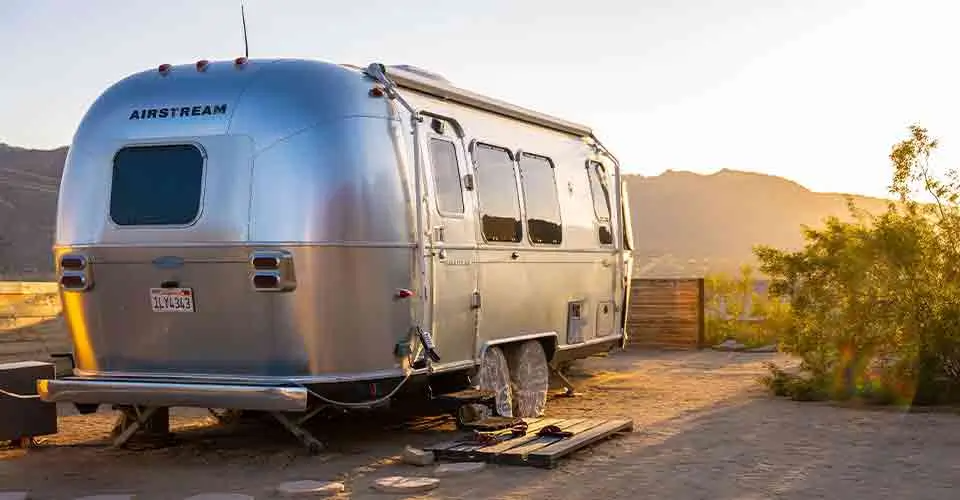
RV Storage for Motorhomes, Fifth Wheels, and Travel Trailers: Specialized Care Tips
For RV owners, proper storage is essential to preserve the condition, safety, and value of their recreational vehicles. Whether you own a small camper, a large motorhome, or a travel trailer, maintaining your RV in optimal condition requires understanding the various storage options and best practices for long-term protection. Neglecting storage can lead to damage from weather, pests, or mechanical issues, which may result in costly repairs. This guide explores the importance of RV storage, types of storage available, key considerations for selecting the right storage solution, maintenance practices, and tips to ensure your RV remains safe and ready for use.
Importance of Proper RV Storage
RVs are significant investments, often representing tens of thousands of dollars or more. Protecting them from environmental factors is crucial, as sun, rain, wind, snow, and humidity can cause damage to the exterior, roof, tires, and interior components. Improper storage can accelerate wear and tear, leading to leaks, corrosion, mold, and damage to sensitive electrical or mechanical systems. Proper RV storage safeguards your investment, extends the life of your vehicle, and ensures it is ready for use whenever you plan your next trip. Beyond preservation, secure storage also prevents theft and vandalism, adding peace of mind for RV owners who may be away for extended periods.
Types of RV Storage
RV owners have several storage options depending on the size of the vehicle, budget, and frequency of use. Each type offers different levels of protection and convenience:
- Outdoor Storage: This is the most common and usually the most affordable option. Outdoor storage involves parking the RV in open lots, driveways, or designated storage yards. While convenient, outdoor storage exposes the vehicle to weather and UV damage, so using a high-quality cover and performing regular maintenance is essential.
- Covered Storage: Covered storage offers protection from sun and precipitation while allowing for ventilation. Options include carport-style shelters or canopy structures at storage facilities. This method reduces UV damage, prevents water accumulation, and helps maintain the RV’s exterior finish.
- Indoor Storage: Indoor storage provides the highest level of protection. Facilities may be climate-controlled or simply enclosed, shielding RVs from weather, pests, and vandalism. Indoor storage is ideal for long-term or off-season storage and can preserve both the exterior and interior condition of the RV.
- Driveway or Private Property Storage: For some RV owners, storing the vehicle on their own property is convenient and low-cost. While this method may be practical, it requires sufficient space, proper security, and attention to local ordinances that may regulate RV parking.
- Specialized Storage Facilities: Many commercial storage facilities are designed specifically for RVs. They often provide tailored services, such as electrical hookups, routine maintenance, or security monitoring, catering to owners who seek convenience and peace of mind.
Key Considerations for RV Storage
Selecting the appropriate storage solution requires careful consideration of several factors:
- Security: Choose a facility or location with proper security measures, such as gated access, surveillance cameras, and onsite staff. RVs are high-value vehicles and may be targeted for theft or vandalism if left unsecured.
- Accessibility: Consider how often you plan to use the RV. Frequent use requires convenient access to the vehicle, while long-term storage may allow for less accessible but more secure locations.
- Weather Protection: Exposure to sun, rain, snow, and wind can accelerate deterioration. Covered or indoor storage offers better protection, helping to maintain paint, seals, and tires.
- Cost: Storage prices vary depending on the type, size, location, and level of service. Outdoor storage is typically the most economical, while indoor, climate-controlled, or specialty storage commands premium rates.
- Maintenance Services: Some facilities offer additional services, such as battery charging, winterization, tire maintenance, or cleaning. These services reduce the workload on the owner and help preserve the vehicle’s condition.
- Size and Fit: Ensure the storage option accommodates the full dimensions of your RV, including height, length, and width, particularly for larger motorhomes or fifth-wheel trailers.
Maintenance Tips While in Storage
Even when properly stored, RVs require regular attention to maintain optimal condition. Cleaning the exterior and interior before storage removes dirt, salt, and debris that can cause corrosion, mold, or stains. Draining water systems and winterizing plumbing in colder climates prevents freeze damage, protecting pipes, pumps, and tanks. Batteries should be disconnected or maintained with trickle chargers to preserve their lifespan, while tires should be inflated to recommended levels and rotated periodically to prevent flat spots. Fuel stabilizers are essential for long-term storage to prevent fuel degradation, and periodic inspections can catch minor issues before they escalate into costly repairs. Covering the RV with a fitted, breathable cover helps prevent UV damage and keeps dust, moisture, and pests away.
Benefits of Proper RV Storage
Investing in proper RV storage offers several advantages for owners. It protects the vehicle from weather, pests, and theft, reducing repair costs and preserving its resale value. Proper storage extends the life of critical components, such as tires, batteries, and engines, while maintaining the appearance of the exterior and interior. For owners who travel seasonally, storage facilities often provide convenient access and additional services, making it easier to prepare the RV for trips. Secure storage also provides peace of mind, allowing owners to enjoy their RVs without worrying about potential damage while they are away.
Cost Considerations
The cost of RV storage depends on several factors, including the type of storage, size of the vehicle, duration, and additional services provided. Outdoor storage is generally the least expensive, with prices increasing for covered, indoor, or climate-controlled facilities. Specialized RV storage facilities may charge premium fees for security, maintenance, and convenience. While cost is an important factor, many RV owners consider the long-term savings from reduced maintenance, protection against damage, and preservation of resale value worth the investment. Comparing options and services is key to finding the best balance of cost, protection, and accessibility.
Tips for Choosing the Right RV Storage
To select the ideal storage solution, RV owners should evaluate their needs based on usage frequency, budget, and vehicle type. Visiting storage facilities in advance allows owners to assess security, accessibility, and overall quality. Owners should ask about additional services, such as winterization, maintenance, or cleaning, and ensure that the facility can accommodate the full dimensions of the RV. Checking reviews or getting recommendations from other RV owners can also help identify reliable facilities. Establishing a long-term storage plan that combines protection, convenience, and cost-effectiveness ensures the RV remains safe, functional, and ready for travel whenever needed.
Conclusion
Proper RV storage is essential for protecting the condition, safety, and value of recreational vehicles. With multiple options available, including outdoor lots, covered shelters, indoor facilities, specialized storage centers, and private property storage, RV owners can select a solution that meets their needs, budget, and frequency of use. Key considerations include security, accessibility, weather protection, size, and additional services. Regular maintenance while in storage, such as cleaning, winterization, and battery care, further ensures the vehicle remains in optimal condition. Investing in quality storage solutions not only safeguards your RV but also reduces long-term maintenance costs, preserves resale value, and provides peace of mind. By prioritizing proper storage, RV owners can enjoy their vehicles for years to come, knowing they are secure, well-maintained, and ready for every adventure.