The Unsung Architects How Telecommunications Contractors Power Modern Success
We often think of business success in terms of brilliant marketing campaigns, innovative product launches, or charismatic leadership. Yet, there is a silent, invisible engine humming beneath the surface of every thriving enterprise. It is the network of cables, routers, servers, and wireless access points that allows a company to breathe. When this system works, nobody notices. When it fails, everything stops. The professionals responsible for designing, installing, and maintaining this critical infrastructure are telecommunications contractors. Far from being simple repair technicians, these experts are the architects of the digital age. They transform empty office shells into buzzing hives of productivity and ensure that data flows as freely as water.
As businesses rely more heavily on cloud computing, VoIP (Voice over Internet Protocol) systems, and real-time collaboration tools, the role of the telecommunications contractor has shifted from a utility provider to a strategic partner. Here is why their positive impact is more crucial now than ever before.
Architects of Digital Infrastructure
It is easy to assume that Wi-Fi just “happens.” You plug in a router, and suddenly, the internet appears. However, for a business with fifty, five hundred, or five thousand employees, the reality is infinitely more complex.
A professional telecommunications contractor looks at a building the way a surgeon looks at a patient. They understand the anatomy of the structure—where the fiber optic cables must run, where the interference from electrical lines might cause signal degradation, and how to distribute bandwidth so the marketing team uploading 4K video doesn’t crash the finance department’s spreadsheet session.
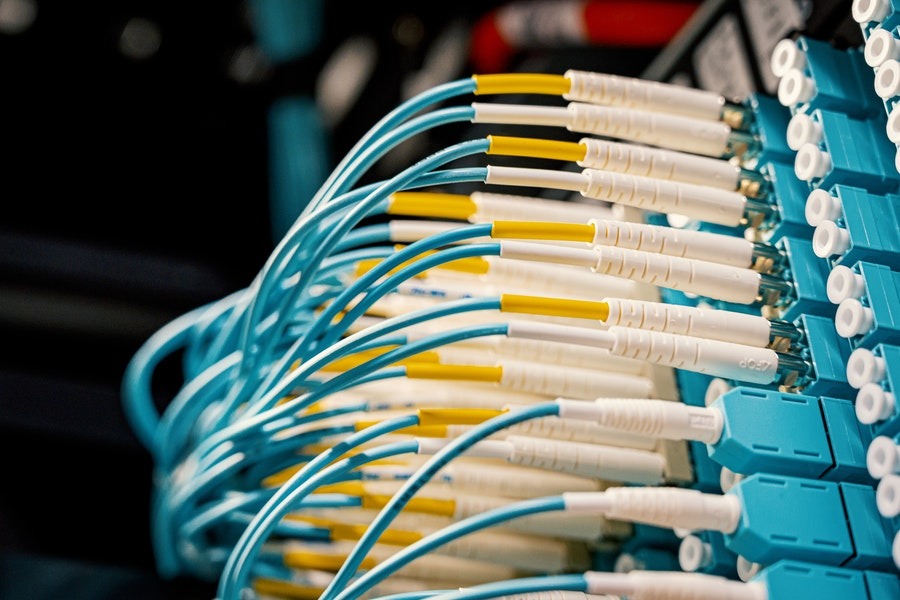
They design structured cabling systems that are neat, organized, and labeled. This might sound purely aesthetic, but a well-organized server room is a safety feature. It reduces the risk of overheating and makes future troubleshooting significantly faster. By laying this groundwork, contractors provide a stable foundation upon which a company can build its entire digital operation.
Enabling the Remote Revolution
The shift toward hybrid and remote work models has changed the landscape of corporate connectivity. The office is no longer just a place where people sit at desks; it is a collaboration hub that must connect seamlessly with employees working from kitchen tables and coffee shops around the world.
Telecommunications contractors have been instrumental in making this transition smooth. They install the sophisticated video conferencing hardware that makes Zoom rooms feel like real meeting rooms. They set up the secure VPNs (Virtual Private Networks) and firewalls that protect company data while it travels across public networks.
Without the specialized knowledge of a contractor, businesses often struggle with “shadow IT”—a patchwork of consumer-grade solutions that don’t talk to each other. A contractor unifies these systems, ensuring that a remote worker in London has the same secure, high-speed access to the server as the CEO sitting in the New York headquarters.
The Standard of Clear Telecommunications
One of the biggest challenges in modern business is noise—both literal and digital. Jittery video calls, robotic voice audio, and dropped packets of data are more than just annoyances; they are barriers to trust. If you are pitching a million-dollar contract and your audio cuts out, the perception of your competence takes a hit.
This is where the concept of Clear Telecommunications comes into play. It represents a standard of signal integrity and reliability that only professional installation can guarantee. By using high-grade materials and testing equipment, contractors certify that every cable and access point is performing at peak efficiency.
Achieving Clear Telecommunications means eliminating the variables that cause downtime. It involves rigorous testing of fiber optics for light loss and copper cables for impedance. When a contractor certifies a network, they are essentially giving the business a green light for unimpeded growth. They ensure that the communication channels—whether it’s a customer service line or an internal data transfer—remain crystal clear and completely reliable.
Future-Proofing for Scalability
Technology evolves at a blistering pace. The Cat5e cables that were standard a decade ago are now often insufficient for the high-speed demands of modern data centers. A business that installs outdated infrastructure today will face expensive upgrades tomorrow.
A forward-thinking telecommunications contractor acts as a futurist. They advise clients not just on what they need for their current headcount, but what they will likely need five years down the road. They might recommend installing conduit for future fiber runs or choosing a modular rack system that can expand as the server load increases.
This proactive approach saves businesses money. It is far cheaper to pull extra cable during the initial construction phase than it is to tear open walls and ceilings once the office is fully decorated and occupied. By planning for scalability, contractors give businesses the agility to pivot and grow without being held back by their physical infrastructure.
Safety, Compliance, and Peace of Mind
Beyond the technical wizardry, there is a vital element of safety and compliance that professional contractors manage. Telecommunications isn’t just about data; it involves electricity, fire codes, and building regulations.
Improperly installed cabling can be a fire hazard. Cables running through “plenum” spaces (the spaces above drop ceilings used for air circulation) must be coated with special fire-retardant materials to prevent toxic fumes in the event of a fire. A licensed contractor knows these local and national codes inside and out.
Furthermore, in industries like healthcare and finance, data security compliance is mandatory. Contractors help ensure that physical infrastructure meets the standards required for HIPAA or PCI compliance, adding a layer of physical security to the digital protections. This adherence to standards provides business owners with peace of mind, knowing that their facility is safe, legal, and insured.
Empowering Business Continuity
Ultimately, the value of a telecommunications contractor lies in business continuity. We live in an era where downtime is measured in thousands of dollars per minute. When the network goes down, revenue stops.
Contractors provide the redundancy and reliability that keep the lights on, metaphorically speaking. They install backup power systems for networking gear and design redundant pathways for internet connections so that if one line is cut, another takes over automatically.
By partnering with these experts, organizations are not just buying wiring services; they are investing in resilience. They are ensuring that no matter what happens—a power surge, a hardware failure, or a sudden spike in traffic—their ability to communicate and operate remains intact.
The Foundation of Growth
Telecommunications contractor ensures seamless connectivity, efficient communication, and reliable network performance across every corner of your office. The modern workspace is a complex ecosystem of devices—from smart thermostats and security cameras to servers, laptops, and VoIP phones. The thread that ties them all together is the expertise and precision of a skilled telecommunications contractor, who designs, installs, and maintains the systems that keep your business connected, productive, and ready for future technology upgrades.
These professionals are the silent partners in every successful venture. They clear the path for innovation, enabling teams to collaborate without friction and businesses to serve their customers without interruption. By prioritizing high-quality infrastructure and striving for Clear Telecommunications, companies lay a foundation that is strong enough to support whatever the future holds.
Investing in professional telecommunications expertise is not an expense to be minimized; it is an asset to be maximized. It is the decision that transforms a struggling network into a competitive advantage.