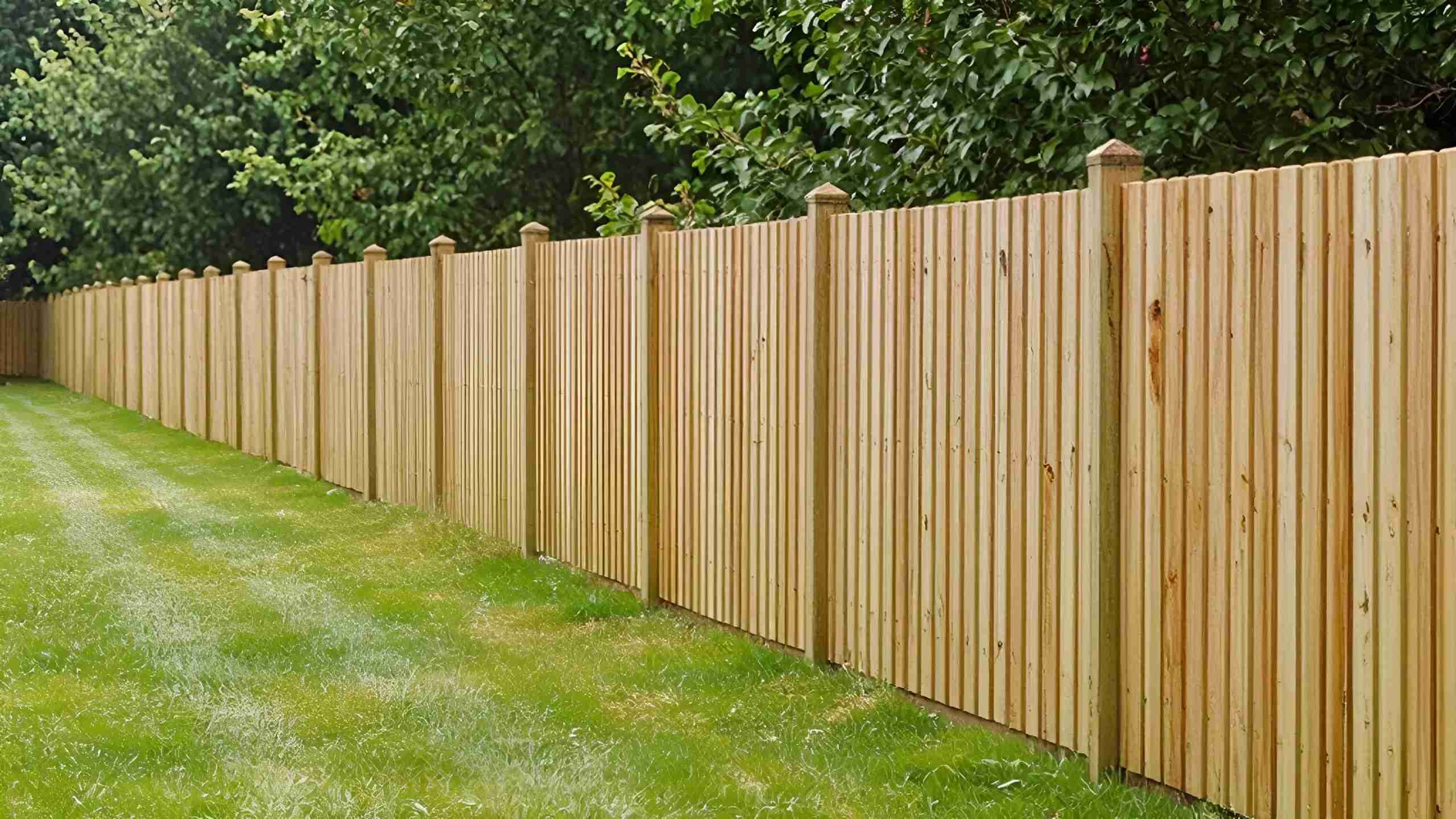
Upgrade Your Yard: The Complete Guide to Privacy Fences
Your home is your castle, but the backyard should be your sanctuary. It’s where you host summer barbecues, let the dog run free, or simply unwind with a book after a long week. However, it is hard to relax when you feel like you are on display for the entire neighborhood. If you can see into your neighbor’s kitchen, they can likely see onto your patio.
This is where a high-quality fence transforms your property. It does more than mark your property lines; it creates a defined outdoor room where you can truly feel at ease. While open picket fences have their charm, they don’t offer the seclusion many homeowners crave. A solid barrier provides a visual shield, turning an exposed lawn into a private retreat.
Choosing the right fencing solution involves more than just picking a material and digging post holes. You have to consider durability, local regulations, aesthetics, and maintenance. Whether you want to block a busy street or keep your pets secure, this guide explores everything you need to know about selecting and installing the perfect privacy fence for your home.
More Than Just Seclusion: The Benefits
While the primary goal is usually to block sightlines, a well-constructed fence offers several other advantages that improve your quality of life and property value.
Noise Reduction
If you live near a busy road or have noisy neighbors, a solid fence can act as a sound barrier. While it won’t eliminate all noise, materials like thick wood or vinyl can dampen traffic sounds and conversation, making your outdoor space significantly quieter.
Security and Safety
For families with young children or pets, a privacy fence is a non-negotiable safety feature. It prevents kids from wandering off and keeps dogs safely contained. Furthermore, it adds a layer of security against intruders. A tall, difficult-to-climb barrier is a strong deterrent against trespassing and theft.
Wind Protection
A solid fence can serve as a windbreak, protecting your garden and patio furniture from strong gusts. This is particularly beneficial if you have delicate plants or if you enjoy outdoor dining but hate having your napkins blown away. By breaking the wind, you also create a warmer microclimate in your yard, potentially extending your gardening season.
Choosing Your Material
The material you choose will dictate the look, cost, and longevity of your fence. Here are the three most popular options for privacy.
Wood Fencing
Wood remains the classic choice for a reason. It offers a natural, warm aesthetic that blends beautifully with landscaping. Cedar and pressure-treated pine are the standard options.
- Pros: It is versatile and can be painted or stained any color. It is generally more affordable upfront compared to other materials.
- Cons: Wood requires regular maintenance, including staining or sealing every few years to prevent rot, warping, and insect damage.
Vinyl (PVC) Fencing
Vinyl has surged in popularity because it offers a clean, modern look with virtually zero upkeep.
- Pros: It won’t rot, fade, or splinter. You can clean it with a garden hose. It often comes with lifetime warranties.
- Cons: It can be more expensive initially than wood. If a section cracks (which can happen in extreme cold or upon impact), repair can be more difficult than replacing a single wood board.
Composite Fencing
Made from a blend of wood fibers and plastic, composite fencing offers the look of wood with the durability of synthetic materials.
- Pros: extremely durable, eco-friendly (often made from recycled materials), and rot-resistant.
- Cons: This is usually the most expensive option. The color may fade slightly over time, and it can be heavy, requiring sturdy posts.
Popular Design Styles
Once you have your material, you need to pick a style. The construction style affects both the look of the fence and how much privacy it actually provides.
Board-on-Board
This is the gold standard for total privacy. Boards are attached to opposite sides of the fence rail, overlapping each other. This design eliminates the small gaps that appear in standard fences when wood shrinks, ensuring a complete visual block from all angles. It also looks attractive from both sides, making it a “good neighbor” fence.
Stockade
Stockade fences feature boards placed tightly against one another without spacing. This provides a solid wall appearance. While effective, standard stockade fences often have a “good” side (the finished face) and a “bad” side (where the rails and posts are visible).
Shadowbox
Similar to board-on-board but with more spacing, the shadowbox style allows air to flow through while still blocking most of the view. If you look at it from an angle, you can see through, but a direct view is obscured. This is an excellent choice for areas prone to high winds, as the air passes through rather than pushing against the structure.
Installation and Regulations
Building a fence seems like a straightforward DIY project, but it is fraught with potential legal and logistical headaches. Before you break ground, there are several crucial steps to take.
First, check your local zoning laws. Most municipalities have strict rules regarding fence height (usually 6 feet for backyards) and setbacks from the property line. If you belong to a Homeowners Association (HOA), they will likely have even stricter guidelines regarding style and color.
Second, always locate your underground utilities. Hitting a gas or water line while digging post holes is dangerous and expensive. In the United States, calling 811 before you dig is a requirement.
Finally, consider hiring a professional. Fence installation requires precision; if your posts aren’t level or set deep enough in concrete, the fence will lean or collapse within a few years. For residents in North Carolina looking for expert craftsmanship, Hawk Fences of Raleigh is a top-tier option to consider. They understand the local terrain and zoning requirements, ensuring your privacy fence is built to last and complies with all local codes.
Frequently Asked Questions
How long does a wood fence last?
With proper maintenance, a cedar fence can last 15 to 20 years, while pressure-treated pine typically lasts around 10 to 15 years. Vinyl and composite fences can last 20 to 30 years or more.
Does a fence add value to my home?
Generally, yes. A well-maintained privacy fence is a selling point for buyers with children or pets. It adds curb appeal and functionality to the backyard.
Can I install a privacy fence on a slope?
Yes, but it requires a “stepped” or “racked” installation method. Racking follows the contour of the ground, leaving no gaps at the bottom, which is better for keeping pets in. Stepping keeps the fence sections level, creating a stair-step appearance, which may leave gaps at the bottom that need to be filled.
Create Your Private Oasis Today
A privacy fence is an investment in your peace of mind, as it turns your backyard into a true extension of your living space, allowing you to enjoy the outdoors without feeling observed. Whether you opt for the natural beauty of cedar or the sleek durability of vinyl, the right fence frames your property and keeps what matters most safe and secure.
Don’t let another summer go by feeling exposed in your own yard. Research your materials, check your property lines, and reach out to a trusted professional to discuss your options.