Vinyl Window: A Modern Solution for Energy Efficiency, Durability, and Style
Windows play a vital role in the comfort, efficiency, and visual appeal of any building. They influence natural lighting, ventilation, insulation, and even property value. Over the years, advancements in materials and manufacturing have led to improved window options that meet modern demands for performance and longevity. Among these options, the vinyl window has become one of the most popular choices for homeowners and property managers due to its affordability, durability, energy efficiency, and low maintenance requirements. Vinyl windows offer a balance of functionality and design that makes them suitable for residential and commercial applications alike.
A vinyl window is constructed using polyvinyl chloride, commonly known as PVC, a synthetic material that is engineered for strength and resistance to environmental stress. Unlike traditional wood or metal windows, vinyl windows do not rot, warp, corrode, or require frequent repainting. This makes them an excellent long-term investment for properties exposed to varying weather conditions. With advancements in manufacturing technology, vinyl windows are now available in a wide range of styles, finishes, and configurations, allowing them to complement both modern and traditional architectural designs.
Understanding Vinyl Window Construction
Vinyl windows are manufactured using extruded PVC frames that are designed to provide structural stability and insulation. The internal chambers within the frame help trap air, improving thermal performance and reducing heat transfer. This multi-chambered design is one of the key reasons vinyl windows are highly energy efficient compared to older window materials.
Modern vinyl windows often feature reinforced frames for added strength, making them suitable for larger window openings without compromising durability. The glass used in vinyl windows can vary, with options including double-pane or triple-pane glass, low-emissivity coatings, and gas fills such as argon or krypton to enhance insulation. These features work together to minimize heat loss in colder months and reduce heat gain during warmer seasons, contributing to improved indoor comfort and lower energy bills.
Energy Efficiency Benefits of Vinyl Windows
Energy efficiency is one of the most significant advantages of choosing a vinyl window. Poorly insulated windows can lead to heat loss, drafts, and increased energy consumption, placing strain on heating and cooling systems. Vinyl windows are designed to reduce these issues by providing excellent thermal insulation.
The insulating properties of vinyl frames, combined with advanced glazing options, help maintain consistent indoor temperatures. Low-emissivity coatings reflect heat back into the home during winter and block excessive solar heat during summer. Gas-filled panes further reduce heat transfer, making vinyl windows an effective solution for improving energy performance. Over time, this efficiency translates into noticeable savings on utility bills while also reducing the environmental impact of energy usage.
Durability and Weather Resistance
Vinyl windows are engineered to withstand harsh environmental conditions, including extreme temperatures, moisture, and UV exposure. Unlike wood, which can swell, crack, or rot when exposed to moisture, vinyl remains stable and resistant to water damage. This makes vinyl windows particularly suitable for regions with high humidity, heavy rainfall, or fluctuating temperatures.
Additionally, vinyl does not corrode like aluminum or steel, ensuring long-term performance without structural degradation. UV-resistant formulations prevent discoloration and fading, allowing vinyl windows to maintain their appearance for many years. This durability ensures that homeowners do not need to worry about frequent repairs or replacements, making vinyl windows a cost-effective solution over the long term.
Low Maintenance Advantages
One of the most appealing aspects of a vinyl window is its low maintenance requirement. Traditional wood windows often require sanding, painting, or sealing to maintain their appearance and protect against decay. In contrast, vinyl windows require minimal upkeep, typically limited to occasional cleaning with mild soap and water.
Because vinyl frames are manufactured with color integrated into the material, they do not need repainting. They resist peeling, chipping, and cracking, even after years of exposure to the elements. This low maintenance nature is especially beneficial for homeowners seeking convenience and for commercial properties that require durable, long-lasting solutions without ongoing maintenance costs.
Design Flexibility and Style Options
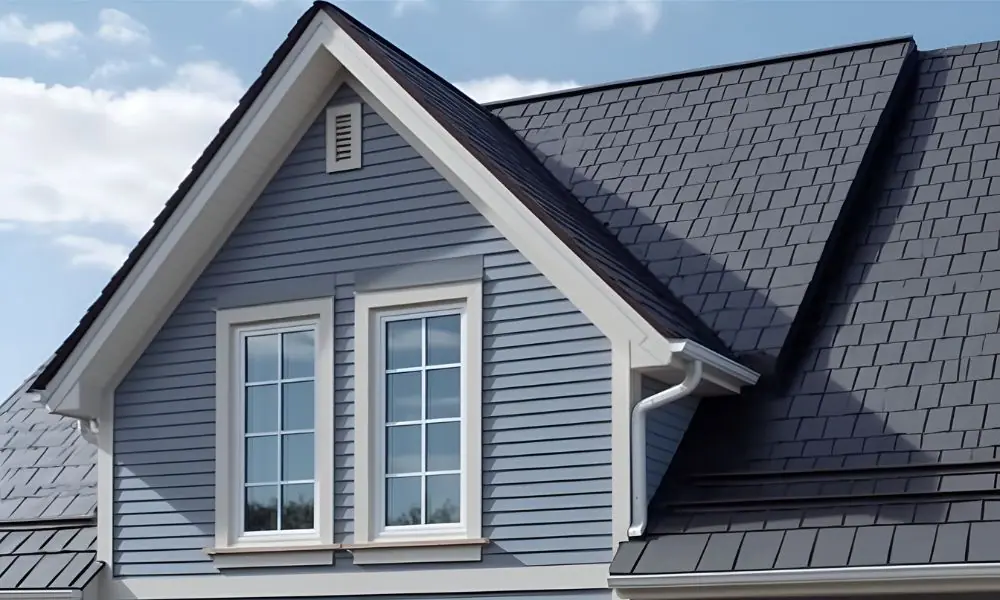
Modern vinyl windows offer a wide range of design options to suit various architectural styles and personal preferences. They are available in multiple configurations, including single-hung, double-hung, sliding, casement, awning, bay, and picture windows. This versatility allows vinyl windows to be used throughout a property, from living areas and bedrooms to kitchens and offices.
In terms of appearance, vinyl windows are no longer limited to basic white frames. Advances in manufacturing have introduced textured finishes, color options, and wood-grain appearances that replicate the look of traditional wood without the associated maintenance. Decorative grid patterns, custom shapes, and hardware finishes further enhance the design possibilities, allowing homeowners to achieve a cohesive and attractive look.
Cost-Effectiveness and Long-Term Value
Affordability is another major reason why vinyl windows are widely chosen for both new construction and replacement projects. Compared to wood or fiberglass windows, vinyl windows generally have lower upfront costs while still delivering excellent performance and longevity.
Beyond the initial investment, vinyl windows offer long-term value through energy savings, reduced maintenance expenses, and extended lifespan. Their durability minimizes the need for repairs or replacements, and their energy efficiency contributes to lower heating and cooling costs over time. When considering total cost of ownership, vinyl windows often prove to be one of the most economical window solutions available.
Vinyl Windows in Residential Applications
In residential settings, vinyl windows enhance comfort, aesthetics, and efficiency. Homeowners benefit from improved insulation, reduced noise transmission, and increased natural light. Vinyl windows are especially popular in replacement projects, as they can be custom-sized to fit existing openings, minimizing installation complexity.
By upgrading to vinyl windows, homeowners can improve curb appeal, increase resale value, and create a more comfortable living environment. The variety of styles and finishes allows vinyl windows to blend seamlessly with existing architecture, whether the home features a modern, traditional, or transitional design.
Vinyl Windows in Commercial and Multi-Unit Buildings
Vinyl windows are also widely used in commercial and multi-unit residential buildings due to their durability, cost-effectiveness, and energy performance. Property managers appreciate the low maintenance requirements, which reduce ongoing operational costs. Vinyl windows also contribute to improved tenant comfort by reducing drafts, noise, and temperature fluctuations.
In multi-unit buildings, consistent window performance is essential for maintaining energy efficiency and uniform appearance. Vinyl windows provide reliable insulation and long-lasting aesthetics, making them a practical choice for apartments, condominiums, and office buildings.
Installation Considerations
Proper installation is essential to maximize the benefits of a vinyl window. Even the highest-quality window will underperform if installed incorrectly. Professional installation ensures accurate measurements, proper sealing, and secure placement, preventing air leaks and water intrusion.
Installers must assess the condition of the surrounding structure, ensure proper alignment, and use appropriate flashing and insulation techniques. Correct installation not only improves performance but also extends the lifespan of the window. Homeowners are encouraged to work with experienced professionals to ensure their vinyl windows deliver optimal results.
Environmental Impact and Sustainability
Vinyl windows contribute to sustainability through energy efficiency and long service life. By reducing energy consumption for heating and cooling, vinyl windows help lower greenhouse gas emissions. Many modern vinyl windows are manufactured using environmentally responsible processes, and some materials can be recycled at the end of their lifespan.
Additionally, the durability and longevity of vinyl windows reduce waste associated with frequent replacements. When combined with energy-efficient glass options, vinyl windows support environmentally conscious building practices while maintaining affordability and performance.
Choosing the Right Vinyl Window
Selecting the right vinyl window involves considering factors such as climate, architectural style, energy efficiency ratings, and budget. Homeowners should look for windows with certified performance ratings, quality construction, and reliable warranties. Attention to details such as frame thickness, glass options, and hardware quality can make a significant difference in performance and longevity.
Consulting with experienced professionals can help property owners choose vinyl windows that meet their specific needs while ensuring compliance with building codes and energy standards. A well-chosen vinyl window enhances comfort, efficiency, and visual appeal for many years.
Conclusion
A vinyl window represents a modern, practical, and efficient solution for today’s residential and commercial buildings. With advantages that include energy efficiency, durability, low maintenance, design versatility, and cost-effectiveness, vinyl windows continue to grow in popularity across a wide range of applications. They provide reliable performance in diverse climates, enhance property aesthetics, and contribute to long-term savings through reduced energy and maintenance costs.
By investing in high-quality vinyl windows and ensuring proper installation, property owners can enjoy improved comfort, enhanced value, and long-lasting performance. Whether used in new construction or replacement projects, vinyl windows offer a balance of functionality and style that meets the demands of modern living. Their proven reliability and adaptability make them a smart choice for anyone seeking durable, efficient, and visually appealing window solutions.