Reliable Temporary Power for Construction Sites and Outdoor Projects
Electricity is essential to many modern construction, maintenance and commercial activities. From operating tools and lighting work areas to supporting temporary facilities, a dependable power supply helps projects continue according to schedule. However, not every location has access to a suitable permanent electrical connection.
Construction sites, outdoor events, temporary workspaces and remote facilities may require an alternative source of electricity. In these situations, hiring a generator can provide a flexible way to meet temporary power requirements without purchasing equipment that may only be needed for a limited period.
Choosing the right generator involves more than looking at its advertised capacity. Businesses should assess their electrical requirements, expected operating duration, site conditions, fuel arrangements and the type of equipment that needs to be powered.
Why Temporary Power Is Important
Construction and maintenance projects frequently change as work progresses. A site may begin with preparation and groundworks before moving towards installation, finishing and testing. Different stages can have different electricity requirements.
Some projects have access to a permanent supply, while others need temporary power before the building or facility is connected. Outdoor locations may also lack the infrastructure needed to support electrical equipment.
A generator can provide an independent source of electricity for suitable applications. Depending on its specification, it may support equipment such as site lighting, tools, temporary facilities and other electrical loads.
Temporary generators can be useful for:
- Construction and refurbishment projects.
- Temporary warehouse operations.
- Outdoor events and marquees.
- Commercial maintenance work.
- Locations awaiting a permanent electrical connection.
- Certain emergency or backup power requirements.
The generator must be selected according to the actual electrical demand. Using equipment with insufficient capacity can cause operational problems, while choosing an unnecessarily large unit may increase costs.
Assessing Power Requirements Before Hiring
The most important step in arranging generator hire is understanding how much power the site requires. A list of connected equipment provides a useful starting point.
Businesses should identify the electrical appliances and machinery that will operate from the generator. Each item may have a different power rating, and some equipment requires additional starting power when switched on.
It is important to consider whether several machines will operate simultaneously. A generator should not be selected simply by adding together a few estimated figures without checking the requirements of the individual loads.
A qualified electrician or suitably competent person can help assess the electrical installation and determine an appropriate generator specification.
Consider the connected load
Create a list of the equipment that needs electricity. Record the power requirements shown on the manufacturer’s labels or documentation.
The total demand should account for equipment that may operate at the same time. Where motors or machinery have higher starting requirements, these must also be considered.
Understand single-phase and three-phase requirements
Electrical systems may use different supply arrangements. The generator must be compatible with the equipment and installation it will support.
A three-phase generator is not automatically suitable for every application. The distribution arrangement, connected loads and electrical protection must be assessed before use.
Allow for operating conditions
The location and type of work can affect power requirements. Construction tools, temporary lighting, warehouse equipment and event installations may all have different patterns of use.
A realistic assessment helps ensure the selected generator can support the intended operation.
Exploring Local Generator Hire Options
Arranging equipment from a provider serving the project area can make communication and delivery planning easier. Businesses can discuss the nature of their work, the required dates and the practical conditions at the site before confirming a booking.
For customers looking for Local plant hire in Telford, TT54 Plant Hire offers equipment hire options for construction, industrial and domestic requirements. The company serves Telford, Shrewsbury and surrounding areas, with delivery available at an additional charge.
When contacting a hire provider, customers should explain what they intend to power rather than relying on a general description of the project. Providing information about the connected equipment, supply requirements and expected operating hours makes it easier to discuss suitability.
It is also sensible to confirm the generator’s availability, delivery arrangements, collection date and any conditions that may affect the total hire cost.
Understanding Generator Capacity
Generator capacity is usually expressed in kilovolt-amperes (kVA) or kilowatts (kW). These measurements are related but are not interchangeable in every situation.
The difference matters because electrical equipment may have power factor requirements that affect the usable output. Businesses should therefore check the generator’s stated ratings and compare them with the requirements of the intended installation. For projects with a higher temporary power demand, 20kva generator hire Telford is a relevant search when exploring local generator hire options.
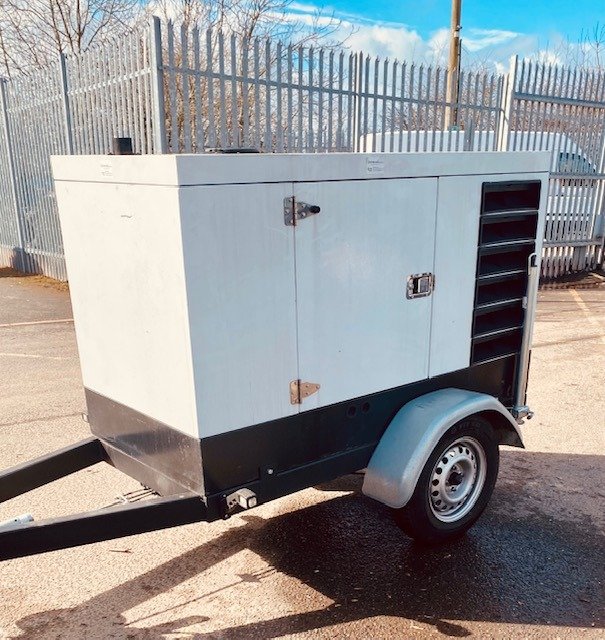
The equipment information published by TT54 Plant Hire describes a trailer-mounted generator with a three-phase 22 kVA rating. Customers should confirm the current specification and suitability directly with the provider before booking, particularly if their project has specific electrical requirements.
Why capacity calculations matter
A generator should have enough capacity to support the expected load without being overloaded. However, simply choosing the highest available rating is not always the best solution.
The correct selection depends on the equipment connected, starting currents, simultaneous demand and the electrical characteristics of the installation.
Avoid overloading
Overloading can cause interruptions and may damage connected equipment or the generator. The site team should understand the machine’s limits and monitor the electrical demand during operation.
Where several items need power, the distribution system should be designed and installed by a suitably competent person.
Applications on Construction and Industrial Sites
Temporary generators can support a range of activities where a suitable permanent electrical connection is unavailable or insufficient.
Temporary construction power
Construction sites may need electricity for tools, lighting and temporary facilities. The requirements can change as the project moves from one stage to another, so power planning should be reviewed regularly.
The generator should be positioned in a suitable location with appropriate access, ventilation and protection. Electrical distribution must also be planned to prevent unsafe cable routes and unnecessary disruption.
Warehouse operations
A temporary warehouse or storage facility may need power for lighting and selected equipment. A generator can be considered where the normal supply is unavailable, subject to a proper assessment of the connected load and operating duration.
The site manager should establish which equipment is essential and how long it needs to operate. This helps determine whether the generator can support the required working schedule.
Outdoor events and marquees
Weddings, temporary venues and outdoor events may need electricity for lighting, catering equipment, sound systems and other facilities.
Organisers should calculate the demand of all planned installations before selecting a generator. They should also consider noise, positioning, cable protection and the distance between the generator and the equipment being supplied.
Event power arrangements should be checked by a competent electrical professional to ensure that the distribution system and protective measures are suitable.
Choosing the Right Location for a Generator
Where a generator is positioned can influence safety, convenience and performance. A site should be selected with adequate space and suitable access for delivery, operation and maintenance.
Generators produce exhaust gases and must never be operated in enclosed or poorly ventilated spaces. They should be positioned outdoors in a location that prevents exhaust from entering buildings, occupied areas or ventilation intakes.
Other practical considerations include:
- Keeping the equipment away from unnecessary foot traffic.
- Providing suitable access for authorised personnel.
- Protecting the generator from accidental damage.
- Managing fuel storage safely.
- Considering noise and nearby occupants.
- Keeping cables organised and protected.
- Following the manufacturer’s clearance and operating instructions.
The location should also allow the machine to be monitored without obstructing other site activities.
Managing Fuel and Operating Duration
The expected operating period is another important part of generator planning. A project requiring electricity for a few hours has different requirements from a site that needs continuous power over several days.
Businesses should discuss fuel arrangements and expected running time with the equipment provider. Actual fuel consumption depends on the generator model and the load placed on it, so assumptions should not replace the manufacturer’s information.
A planned approach to refuelling helps prevent unexpected interruptions. Fuel should be stored and handled in accordance with applicable safety requirements, and refuelling should only take place using the correct procedures.
For longer projects, the site manager should establish who is responsible for checking operating conditions, fuel levels and any maintenance requirements.
Safety and Electrical Responsibilities
Generator hire does not remove the need for safe electrical planning. The equipment must be connected and operated by suitably competent people, with appropriate distribution equipment and protective devices.
Before operation, the responsible team should review the manufacturer’s instructions and check the generator for visible damage or defects. Electrical connections, cables and distribution arrangements should be suitable for the intended application.
Generators should be operated outdoors with adequate ventilation. Workers should also be aware of hot surfaces, moving parts, exhaust hazards and the risks associated with fuel handling.
Any unusual noise, warning indicator or suspected fault should be investigated by an appropriately qualified person. Equipment that may be unsafe should not continue operating.
Planning the Hire Period and Delivery
A well-planned hire arrangement can help businesses control costs and avoid delays. The generator should arrive before the work requiring temporary power begins, but booking it too early may result in unnecessary hire time.
Customers should confirm the required delivery date, operating period and collection arrangements. They should also check whether the delivery location has enough space and whether the trailer-mounted equipment can be positioned safely.
TT54 Plant Hire offers delivery at an additional charge. Customers should confirm the cost and arrangements when discussing their requirements.
The hire conditions should be reviewed before the equipment is supplied. First-time customers may need to provide identification and supporting documentation, while responsibilities for security, damage and return arrangements should be understood in advance.
Conclusion
Temporary generators can provide a practical source of electricity for construction sites, warehouses, outdoor events and other projects without a suitable permanent supply. However, successful use begins with an accurate assessment of power demand, connected equipment and operating conditions.
Businesses should consider capacity, electrical compatibility, fuel requirements, generator positioning and safety before arranging a hire. Discussing these details with a local equipment provider can help identify a suitable option and clarify delivery arrangements.
With careful preparation and competent electrical planning, generator hire can support temporary operations while helping projects remain organised and productive.